

FGL Équipements
Soft-Serve Ice Cream Equipment
FGL Équipements
Soft-Serve Ice Cream Machines in Quebec
Soft-serve ice cream is a staple of dairy bars. For business owners from Laval to Longueuil looking to make it a signature product, equipment selection is a central decision. FGL Équipements gives you the information you need to choose.
FGL Équipements
What Is Soft-Serve Ice Cream?
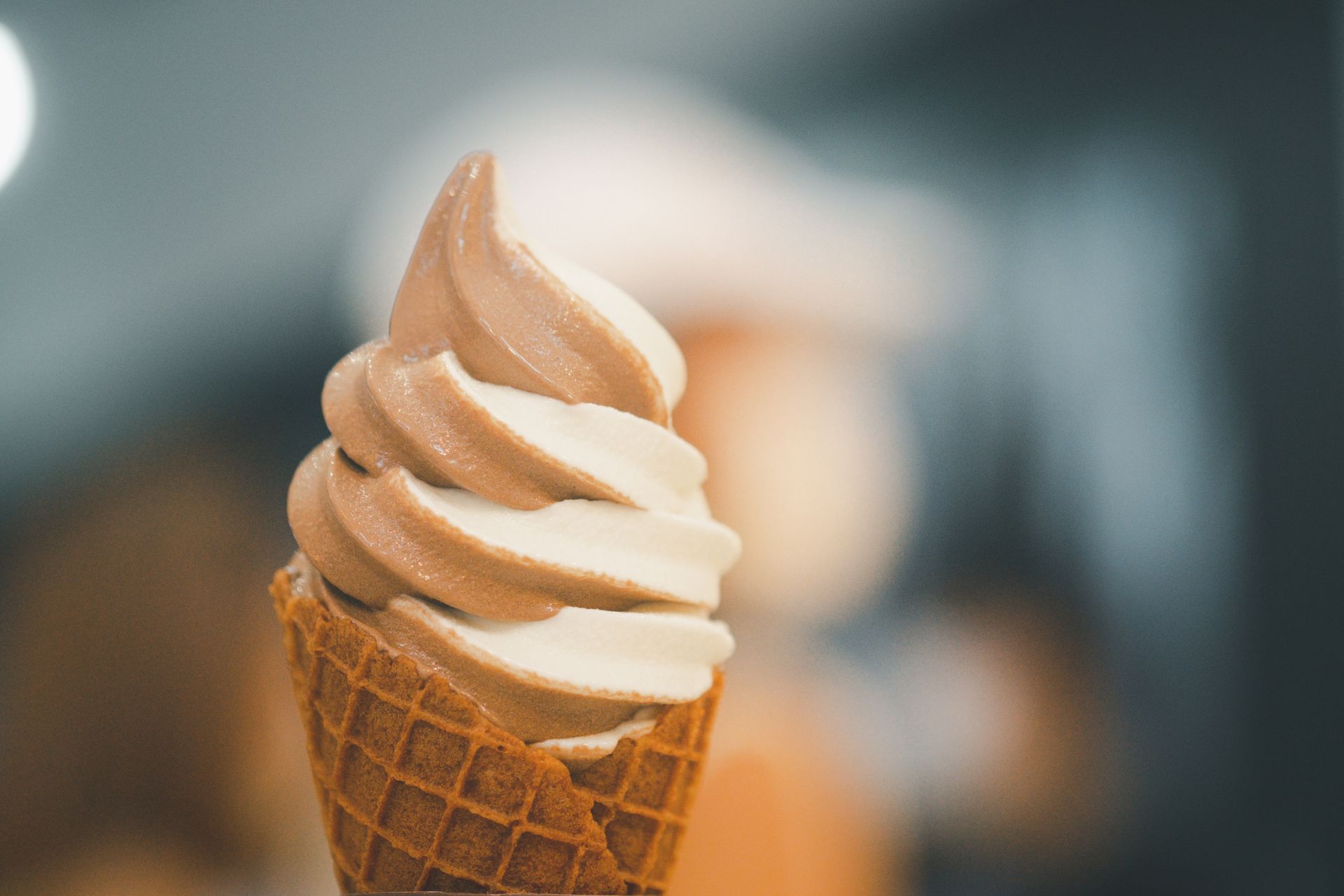
Soft-serve ice cream is a frozen dairy preparation served directly from the machine, at a higher temperature than traditional hard ice cream. This process gives it its light, airy, and melt-in-your-mouth texture, a hallmark that makes it one of the most popular products in high-traffic establishments.
Unlike gelato, which relies on low air incorporation and a whole milk base, soft-serve incorporates a higher proportion of air, which gives it its volume and distinctive consistency. This difference is precisely what determines the type of machine your business needs.
Soft-Serve, Gelato, and Hard Ice Cream
What Are the Differences?
These three products are often confused, but their technical characteristics are clearly distinct, and each requires specific equipment.
| Soft-Serve | Gelato | Hard Ice Cream | |
|---|---|---|---|
| Serving temperature | -4°C to -7°C | -6°C to -8°C | -12°C to -15°C |
| Overrun (air) | 33% to 45% | 20% to 30% | 50% to 100% |
| Fat content | 3% to 6% | 4% to 8% | 10% to 18% |
| Texture | Light, airy, melt-in-your-mouth | Dense, smooth, creamy | Firm, compact |
| Service method | From machine, continuously | From tub, with spatula | From tub, with scoop |
| Required equipment | Soft-serve machine | Gelato batch freezer | Batch freezer + hardener |
Choosing the wrong equipment for the product you want to offer compromises the quality, consistency, and profitability of your offering.
The History of Soft-Serve Ice Cream
From an American Invention to a Quebec Staple
Soft-serve ice cream as we know it today was born in the United States in the 1930s, when the first machines capable of incorporating air into a frozen preparation were commercialized. The process made it possible to produce a greater volume from the same quantity of raw ingredients, an immediate economic advantage for restaurant owners.
In Quebec, soft-serve ice cream has become a symbol of summer, inseparable from casse-croutes, dairy bars, and outdoor festivals. Its popularity has never wavered over several decades, and demand for a quality product, served at the right temperature with a flawless texture, continues to grow among Quebec consumers.
What Makes a
Quality Soft-Serve Ice Cream?
For a consumer, a good soft-serve ice cream is immediately recognizable: uniform texture, perfect hold in the cone, a pronounced dairy flavour, and an ideal serving temperature. For a business owner, these qualities are not accidental. They come directly from equipment selection. Here is what sets a quality product apart from an ordinary one:
Texture Consistency
A well-calibrated machine incorporates the same rate of air on every serve, guaranteeing an identical experience from the first to the last customer of the day.
Precise Serving Temperature
Too cold, and soft-serve loses its suppleness. Too warm, and it collapses in the cone. The ideal range is between -4°C and -7°C.
Mix Pasteurization
Certain machines incorporate an automatic pasteurization cycle that guarantees the food safety of the product, even in the event of a prolonged service interruption.
Ease of Maintenance
Equipment that is difficult to clean is equipment that ends up being poorly cleaned, with direct consequences for product quality and regulatory compliance.
Soft-Serve Ice Cream as a
Profitability Driver for Your Business
Soft-serve ice cream is one of the food products with the best profit margins in quick-service restaurants and seasonal businesses. The reasons are straightforward:
- Low ingredient cost relative to retail selling price
- High speed of service, a cone takes less than 30 seconds to prepare
- Universal appeal across all age groups
- The ability to diversify offerings with flavoured mixes, two-flavour twists, or coatings
To maximize this potential, the equipment must be reliable, consistent, and sized for your actual service volume. Underperforming equipment during peak hours represents a direct loss of revenue.
What Are the Key Features of a
Good Soft-Serve Machine?
The soft-serve machine market offers a wide range of models, and it is easy to be guided by price rather than technical specifications. Here are the criteria that truly matter for daily commercial use:
Hourly Production Capacity
Measured in litres or portions per hour, it must match your actual peak-period traffic, not your average traffic.
Cooling System
Air-cooled or water-cooled, each system has its advantages depending on the environment in which the machine will be installed.
Viscosity Control
High-end machines automatically adjust product consistency based on ambient temperature, ensuring a consistent texture even on hot days.
SORAC Certification Compliance
In Quebec, all equipment used for the production and sale of frozen dairy products must meet SORAC certification requirements. FGL Équipements only distributes compliant equipment.
Number of Serving Heads
A two-head machine allows two flavours to be served simultaneously, or one flavour and a twist, which increases the perceived value of your offering without multiplying equipment.
Nos Équipements
Our Soft-Serve Ice Cream Equipment
FGL Équipements distributes two of the most recognized brands in the ice cream industry: Carpigiani, of which we are the exclusive distributor in Quebec, and Elmeco, a European reference for soft-serve and commercial slush equipment.
Soft-Serve Ice Cream Machines
En savoir plus- 191 Countertop Soft-Serve
- 191 Magica
- 193
- K3-E
- Soft & Go 151 Plus
- UF 253
- UF 820 E/P
- XVL 3
What Is Included with Every Piece of Equipment
- 1-year parts and labour warranty, new and used
- Manufacturer's warranty on new equipment
